
Your seed phrase is the single string of words that can recreate every private key your wallet controls — which makes it simultaneously the most important thing to protect and the single point of failure that undoes every other security measure if it’s exposed.
{{IMAGE:assets/images/seed-featured.webp}}
What a seed phrase actually is
A seed phrase (also called a recovery phrase) is a sequence of ordinary words — typically 12 or 24 — generated by your wallet when you first set it up. Mathematically, it encodes the master key your wallet derives all of its individual private keys from. Anyone who has your seed phrase can recreate your entire wallet on a different device, with no PIN, password, or additional barrier required — which is exactly why it deserves more careful handling than the wallet device itself.
How a seed phrase is actually generated
When a wallet is set up, it generates a large random number and converts it into a sequence of ordinary words drawn from a fixed, standardized word list — the words themselves aren’t meaningful individually, they’re a human-readable encoding of that underlying random value. This is why a seed phrase looks like a random grocery list rather than a password you chose: it isn’t chosen at all, it’s generated, which is also why it can’t be changed to something more memorable without generating an entirely new wallet.
Why it’s the single point of failure
A hardware wallet’s PIN protects the physical device, and its secure-element chip protects the key from being extracted electronically (see how hardware wallets actually work) — but none of that matters if someone simply obtains your seed phrase directly, since it bypasses the device entirely. This is why seed-phrase exposure, not device theft, is the failure mode that most completely undoes cold storage’s security.
What NOT to do with it
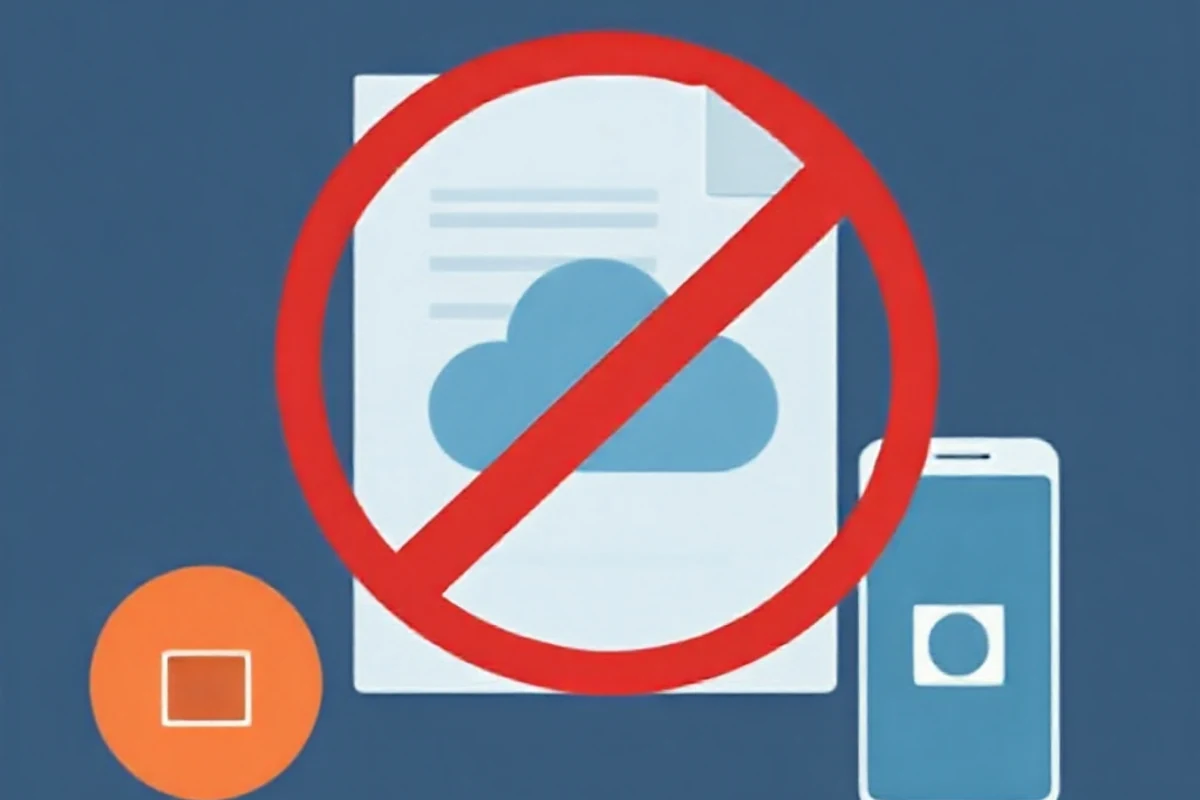
- Don’t photograph it — phone photos routinely sync to cloud backups without the owner realizing it, reintroducing internet exposure.
- Don’t type it into any internet-connected device — a password manager, a notes app, or an email draft are all reachable by malware in a way paper isn’t.
- Don’t share it with anyone, including anyone claiming to be wallet support — legitimate services never need your seed phrase to help you.
- Don’t store the only copy in one place — a single point of physical failure (fire, flood, theft) can destroy your only backup.
{{IMAGE:assets/images/seed-mistakes-visual.webp}}
Durable storage options compared
| Medium | Main advantage | Main weakness |
|---|---|---|
| Paper | Simple, no cost | Vulnerable to fire, water, and fading ink over time |
| Metal backup (stamped/engraved) | Resistant to fire and water damage | Higher cost, requires deliberate setup |
| Split storage (e.g. Shamir-style sharing) | No single location holds the complete phrase | More complex to set up and recover correctly |
Choosing between the storage options above
For most individual holders, a metal backup is worth the modest cost specifically because fire and water are the two most common ways a paper backup actually fails in practice — not theft, which a well-hidden paper copy resists about as well as a metal one. Split storage adds real protection against a single point of physical compromise, but it’s genuinely easy to get wrong: forgetting which location holds which piece, or how many pieces are needed to reconstruct the phrase, can lock you out just as effectively as losing the whole thing. Start with a single durable backup done correctly before adding the complexity of splitting it.
What to do if you suspect it’s been exposed
If there’s any real chance your seed phrase has been seen by someone else — a photo that synced to the cloud, a moment it was visible on screen, anything that breaks the never-touches-the-internet rule — the safe response is to move your funds to a new wallet with a newly generated seed phrase as soon as possible, rather than waiting to see if anything happens. Exposure doesn’t guarantee a loss will occur, but there’s no way to “undo” exposure once it’s happened, so treating it as urgent is the only reliable response.
Seed phrases vs. passphrases: a related but distinct layer
Some wallets support an optional extra word or phrase — often called a passphrase or “25th word” — added on top of the standard seed phrase to derive a different set of keys entirely. This can add a genuine extra layer (someone finding your written seed phrase alone still can’t access funds protected by a passphrase they don’t also know), but it adds real complexity: forgetting the passphrase, or storing it insecurely alongside the seed phrase itself (which defeats the point), are common ways this optional feature backfires instead of helping.
FAQ
Can I change my seed phrase without moving my funds?
No — a seed phrase is generated once and tied to that wallet’s keys. To get a new seed phrase, you need to create a new wallet and move your funds to it.
Is it safe to memorize my seed phrase instead of writing it down?
Memorization alone is risky as your only backup — human memory is unreliable over years, and an incorrectly recalled word can make recovery impossible. It can be a supplementary layer, not a replacement for a physical backup.
Does splitting my seed phrase into multiple locations always improve security?
It reduces the risk that one single exposure compromises the whole phrase, but it adds complexity — if you lose track of where the pieces are, or forget the order, you can lock yourself out just as effectively as an attacker could.